
Skip to main content


About the Project
A page explaining all you need to know about what the project is, who is running it, and what we aim to do with the project.
What is the Fear and Joy Project?
The Fear and Joy Project is a practitioner‑led exploration of the emotional realities of working in archaeology.
It examines how fear, scarcity, confidence, joy, recognition, and hidden labour shape professional experience. And how these emotional conditions influence the way archaeologists work, relate, and sustain themselves in the sector.
The project aims to bring these emotional regimes into view, not as personal failings or wellbeing issues, but as structural features of professional practice.
Through research, reflection, and practitioner contributions, the Fear and Joy Project will develop a toolkit for overcoming barrier to change and finding joy in the profession. This includes tools such as micro‑solidarity tools that support healthier, more sustainable ways of working across the profession.
Why this project exists
The Fear and Joy Project began as a response to experiences in my professional life that made it clear that something needed to change. I wanted to take constructive action and speak openly about the harmful cultures, pressures, and emotional conditions that shape everyday working life in heritage and archaeology.
This led me to reach out to Mark Spanjer to co‑develop a workshop for EAA2025. The session, originally planned for Serbia but moved online due to unrest, became an unexpectedly powerful space. Delegates brought reflections shaped not only by their professional lives, but by the wider sense of uncertainty and strain surrounding the conference.
Mark’s contribution was pivotal: he introduced the “joy” dimension, reminding us that alongside fear, frustration, and scarcity, there are also reasons we enter this profession and reasons we stay. Joy, pride, curiosity, and connection are part of our emotional landscape too.
The conversations that emerged during that session revealed something important: practitioners across the sector carry emotional pressures, fears, joys, and forms of hidden labour that are rarely acknowledged, yet deeply shape their professional lives. Together, Mark and I recognised that these emotional conditions were not individual problems, but shared features of professional practice shaped by culture, expectation, scarcity, and identity.
The project exists because these emotional infrastructures matter. They influence how archaeologists work, make decisions, relate to colleagues, and sustain themselves in a demanding sector. The Fear and Joy Project was created to bring these dynamics into view — not as personal failings or wellbeing issues, but as structural conditions that deserve attention, reflection, and practical tools.
What began as one conference session has grown into a long‑term, practitioner‑led project:
-
a space for exploring emotional experience safely, anonymously, and constructively
-
and a place for developing tools that support healthier, more sustainable ways of working across the profession.
What the Project is (and what it is not)
What the Fear and Joy Project is
-
practitioner‑led
-
reflective and critical
-
focused on emotional infrastructures
-
grounded in real professional experience
-
aimed at building tools and the toolkit
-
designed to support sustainable practice
-
a space for anonymous story‑sharing
-
a long‑term project with multiple outputs (toolkit, webinars (TBC), and resources)
What the Fear and Joy Project is not
-
not community archaeology
-
not public engagement
-
not wellbeing or mental‑health support
-
not therapy
-
not a place for personal disclosure
-
not a project about “fixing individuals”
-
not a critique of specific organisations
-
not a one‑off event
Meet the Team
The Fear and Joy Project is shaped and stewarded by a small group of practitioners who have worked across archaeology, heritage, environmental management, teaching, and multi‑disciplinary practice.
Each curator brings their own professional experience of the emotional conditions that shape our sector. By making ourselves visible, we aim to build trust, accountability, and clarity about who is holding this space, and why.
The project is practitioner‑led, and the curators are committed to developing constructive, reflective, and sustainable tools that support colleagues across the profession.
Emily Plunkett - Lead Curator
Emily has a BA in Archaeology from the University of Reading and has worked across commercial archaeology and arm’s‑length government bodies for over twenty years. She is currently a Senior Heritage Specialist within the National Environmental Assessment Service (NEAS) at the Environment Agency.
Her work beyond the EA focuses on advancing professional practice and supporting healthier, more sustainable working environments across heritage and archaeology.
Emily founded the Fear and Joy Project to bring visibility to the emotional infrastructures of the profession and to develop constructive, practitioner‑led tools for navigating them.

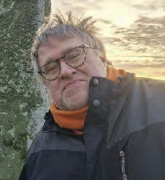
Mark Spanjer - Co-Curator
Mark holds an MA in History and an MSc in Archaeology from the Universiteit van Amsterdam. He has worked across multiple forms of archaeological practice in the Netherlands and now teaches at Saxion University of Applied Sciences in Deventer.
Throughout his career, Mark has developed a deep interest in archaeologists themselves: how we work, how we relate, and how our emotional experiences shape professional life.
His mentorship and conceptual guidance helped shape the foundations of the Fear and Joy Project, introducing the “joy” dimension and supporting the development of reflective, sustainable approaches to practice.
What we are building
The Fear and Joy Project will create a practitioner‑led toolkit that helps archaeologists understand and navigate the emotional conditions that shape professional life.
This toolkit will bring together stories and insights to create practical solutions that illustrate:
-
the harmful cultures, pressures, and barriers to change that many practitioners experience, and
-
the sources of joy, connection, and meaning that keep people in the profession.
A growing collection of practitioner stories
Through optional, anonymous submissions, the project is gathering real experiences of fear, scarcity, confidence, joy, hidden labour, and the cultures of practice that influence how we work.
These stories help reveal shared patterns across the sector and make visible the emotional infrastructures that often remain hidden.
A multi‑strand toolkit
Alongside stories, the project collects practical actions, ideas, and small changes that practitioners have used to overcome barriers, navigate harmful cultures, or strengthen joy in their work. These solutions will form a core part of the toolkit, offering constructive, practitioner‑tested ways to support change.
The final toolkit will combine several types of tools (including micro‑solidarity practices, reflective prompts, cultural analysis, and practical strategies) designed to help practitioners understand emotional regimes, overcome barriers to change, and build more sustainable, joyful ways of working.
A reflective CPD and webinar series
The project hopes to develop and offer short, accessible sessions that introduce key concepts, share emerging insights, and explore tools from the developing toolkit.
These sessions will support colleagues who prefer flexible, low‑pressure learning environments.
Resources for sustainable practice
Handouts, worksheets, and guidance documents will accompany the toolkit, helping practitioners explore emotional experience safely and constructively, individually or within teams.
How you can take part
The Fear and Joy Project is built from practitioner experience. If you’d like to contribute, there are several gentle, low‑pressure ways to get involved.
All participation is optional, anonymous by default, and designed to feel safe and manageable.
Share a Fear
Submit a reflection about something in your professional life that creates pressure, uncertainty, or fear. These stories help illustrate the emotional infrastructures and harmful cultures that shape everyday practice.
Share a Joy
Share something that brings meaning, pride, connection, or joy in your work. Joy is a vital part of the emotional landscape of archaeology, and helps us understand why people stay in the profession.
Share a Solution
Contribute a practical action, idea, or small change that has helped you overcome a barrier, navigate a difficult culture, or strengthen joy in your work. These solutions form a core part of the toolkit.
Submit Media
Upload images, audio, or other media that express or illustrate aspects of fear, joy, hidden labour, or professional experience. Media submissions help expand the project beyond text‑based stories.
Email (optional)
If you prefer, you can send your story or solution directly to the project inbox. This is a fallback option for anyone who doesn’t want to use the forms.
There are no required formats, no right or wrong way to contribute, and no expectations about length or detail. You can share as much or as little as feels comfortable. All submissions are anonymised unless you choose otherwise.